The Stolen Art That Came Home After 80 Years

A stolen painting by Carl Spitzweg disappeared from a museum in 1939 and took more than 80 years to find its way back home. Nazi forces stole the artwork from a Jewish couple in Munich right before the war started. Nobody knew where it went for decades, until a quiet man died alone in a small apartment full of secret art.
The painting is called Playing Piano, and it shows a man sitting at an old musical instrument in a sunlit room. It was bought by Leo Bendel, a tobacco dealer who had to sell his home and run for his life. His wife survived, but he died in a concentration camp. After all those years, experts finally tracked down the art piece and returned it to his family.
The Day the Art Disappeared From Munich
Leo Bendel loved art. He lived in Berlin with his wife, Else, and spent his spare cash on small, beautiful oil paintings. By 1937, things got dangerous for Jewish families in Germany. Leo sold his shop and tried to move to Vienna to stay safe.
He needed money fast to pay heavy exit taxes. A local dealer offered him a tiny price for his best paintings, including the small oil piece by Spitzweg. Leo had no choice. He took the low offer, handed over the canvas, and fled. Just two years later, Hitler's private art buyers bought that exact artwork for a planned museum in Linz.
Leo was later arrested in Western Europe and sent to Buchenwald, where he died in 1940. Else hid in Austria and managed to live through the war. She spent years trying to find her lost home, her clothes, and her husband's collection. She died in 1957 without ever seeing the piano painting again.
How a Secret Stash Kept the Painting Hidden
For decades, art historians thought the piece was destroyed in the bombing raids. The record books were burnt or lost in the chaotic final days of 1945. But the painting was not dust. It was sitting in a dark frame inside a cluttered room in Munich.
A man named Hildebrand Gurlitt was an art buyer for the Nazi regime. When the war ended, American troops questioned him about his collection. He lied. He told the soldiers that his entire house and all his files burned down in Dresden. The soldiers believed him and let him keep hundreds of masterworks.
Hildebrand kept the secret until he died in 1956. Then, his quiet son, Cornelius Gurlitt, took over the apartment. Cornelius lived like a ghost. He never had a bank account, never worked a regular job, and never paid into public health care. He lived off cash he made by selling a single painting every few years.
If you want to read another strange true tale about lost items, check out The Ship Found Perfectly Upright on the Sea Floor to see how deep water keeps secrets for a long time.
The Train Ride That Ruined the Secret
In September 2010, customs officers boarded a train coming from Switzerland into Germany. They were looking for people carrying large stacks of cash to avoid taxes. They picked an old man sitting alone in a quiet car. It was Cornelius Gurlitt.
He had an envelope filled with 9,000 euros in crisp, new bills. That was under the legal limit, but his nervous answers made the officers suspicious. He had no tax records and no clear source of income. Two years later, police got a warrant to search his Munich flat.
What they found shocked the world. Stacked behind old cans of food and rotting fruit were 1,406 masterworks. There were prints, sketches, and oil paintings by Monet, Picasso, and Matisse. Sitting among those piles was Leo Bendel's lost Spitzweg painting. You can learn more about how investigators use an Oral history approach to piece together old family records from this era.
The total collection was worth more than one billion dollars. Cornelius was holding one of the biggest hidden art hoards in modern history, and he had been living with it in total silence for 50 years.
Untangling the Mystery of Who Owned What
Finding the artwork was only the first step. German police kept the raid secret for over a year because they did not know what to do. When a German magazine broke the news in late 2013, families across the globe started calling.
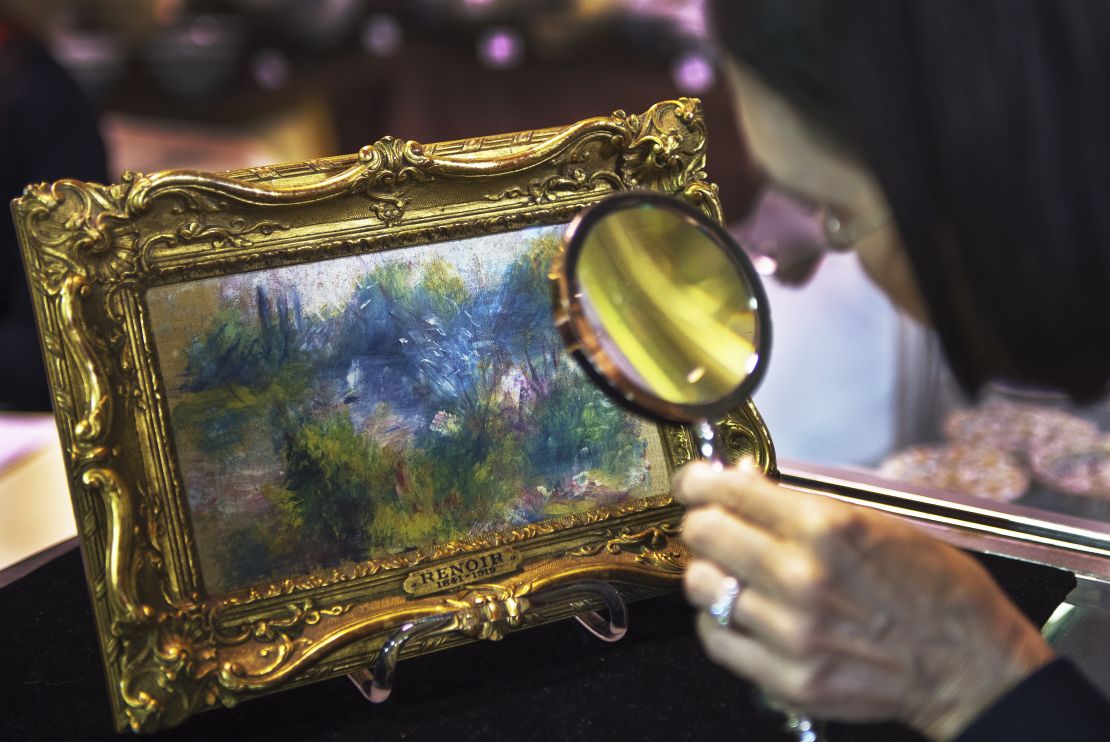
A task force of researchers took on the huge job of checking every single item. They had to look at old receipts, private letters, and red wax stamps on the back of wooden frames. The work took years. The back of the Spitzweg frame had small chalk marks and a tiny paper label that matched Leo Bendel's old house inventory from 1937.
Cornelius Gurlitt died in May 2014 at the age of 81. In his final will, he surprised everyone by leaving his whole collection to a museum in Switzerland. But the museum said it would only accept items that were clear of any theft claims. They wanted to make sure every single stolen piece went back to the real owners first.
For more unbelievable updates on real events, read our latest real life stories blog for new reports every week.
Bringing the Piano Painting Back to the Family
Leo Bendel had no children, but his wife's family had surviving heirs living in Europe and America. They had spent decades holding onto old family photos that showed the exact painting hanging on their grandfather's living room wall.
In November 2019, the official commission ruled that the Bendel family was the true owner. The painting was handed over to their lawyers in a quiet ceremony. After 82 long years of silence, the legal fight was finally over. The family decided to sell the painting through an auction house, and the money was split among Leo's remaining relatives.
The sale brought the whole story into the public eye. People who knew nothing about Leo Bendel suddenly learned his name. The tiny painting of a man playing a piano was no longer a piece of hidden loot in a dirty flat. It was a witness to history.
Have you ever looked through old family photos and wondered about the story behind an object in the background? Keep those old photos safe, because sometimes a simple picture is the only key left to fix a past wrong.


Comments
Post a Comment